Executive summary
A startup-to-scale transition with a fixed launch window across three cities. Leadership was spending 540 minutes a week in standing meetings before work could move.
Result: Decision latency cut from 2.6 days to 1.1 days. Five chapters running a shared cadence. Three-city launch, on schedule.
Key outcomes
- Defined chapter-level OKRs and leadership OKRs with measurable review points
- Replaced ad-hoc syncs with a weekly stand-up rhythm across five operating chapters
- Cut leadership time trapped in standing meetings while preserving decision quality
- Aligned execs and heads of department on one launch narrative under a 90-day horizon
Operating cadence vs. meeting load
Coordination efficiency across operating structures
Over-engineered
Too much process
Healthy operating rhythm
Structured with low drag
Meeting chaos
High overhead, weak rhythm
Under-coordinated
Low alignment
High meeting load·Low meeting load
Integrated cadence
Ad hoc cadence
Directional assessment · mock operating units · pre/post engagement synthesis
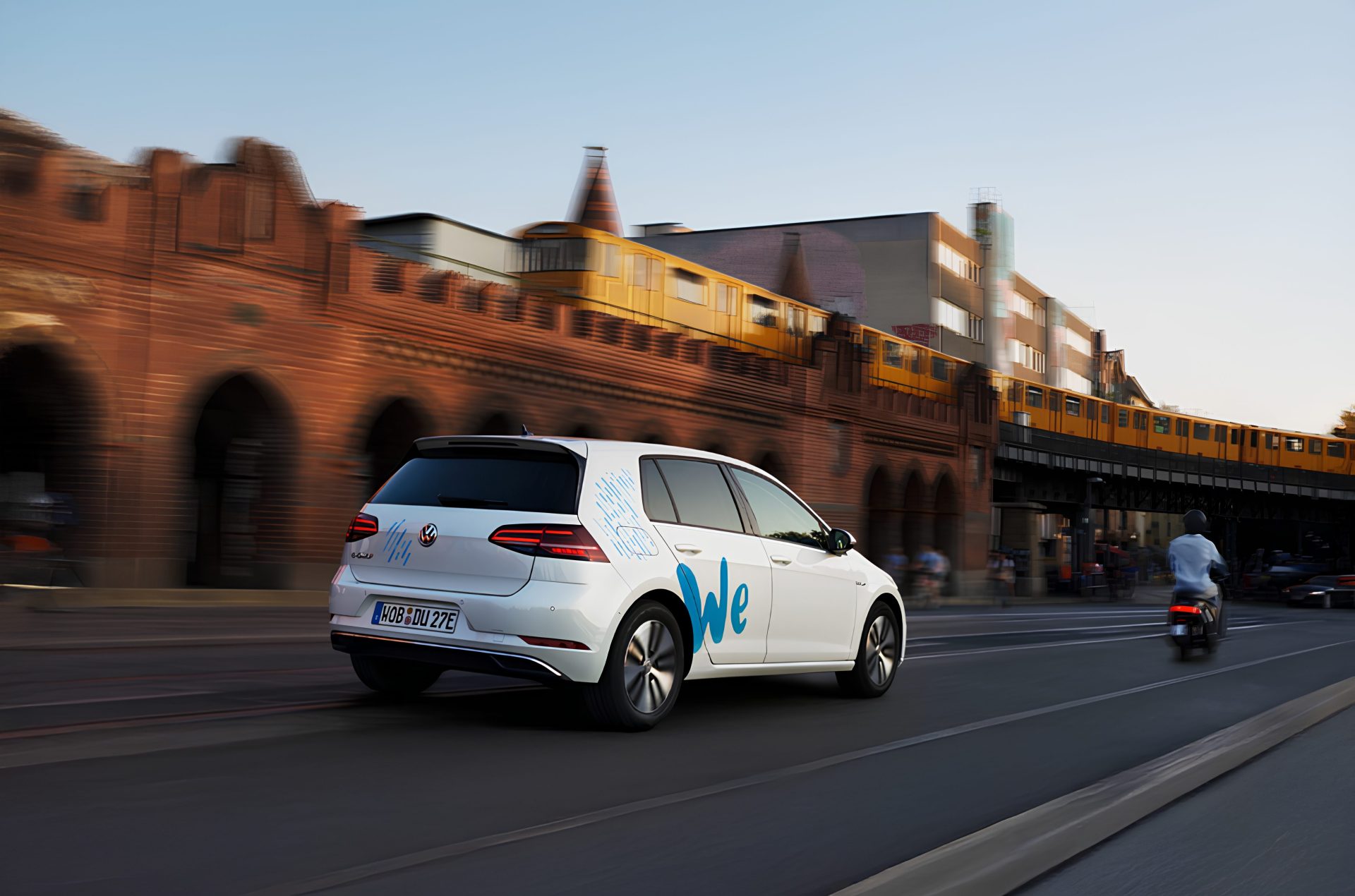
WeShare
Urban Mobility International (UMI) — Berlin, Hamburg, and European rollout
Key metrics
540
Leadership and chapter meeting minutes per week (before my enagement)
90d
Launch runway for the three-city go-live window

5
Chapters running shared OKR reviews and weekly syncs

3
Cities in the coordinated first-wave rollout
- Client
- Urban Mobility International (Volkswagen Group)
- Role
- Ways of Working & OKR Cadence Design
- Timeline
- 2019–2021
- Industry
- Mobility / Automotive
- System
- Operating
- Domain
- Mobility
- Design Lever
- Cadence
- Primary Outcome
- Alignment
- Framework
- Operating Cadence System
Challenge
WeShare was scaling from startup to multi-city mobility platform under a fixed 90-day launch window across Berlin, Hamburg, and additional European cities. Urban Mobility International — within the Volkswagen Group ecosystem — faced matrix governance, regulatory pressure, and the operational complexity of geographic expansion. Leadership was spending 540 minutes per week in standing meetings before decisions landed. Operating load outpaced decision speed: five chapters needed coordinated OKRs, weekly alignment, and launch readiness, but ad hoc syncs consumed the capacity required to execute. The business problem was not product-market fit — Berlin showed traction with approximately 50,000 registered customers and roughly 75% active usage — but operating system design. Without a sustainable cadence, the organization would hit its launch window exhausted, misaligned, or both.
Solution
I redesigned ways of working and OKR cadence for Urban Mobility International, implementing an Operating Cadence System tuned to WeShare's scale-up reality. My role was executive advisory on operating model design: I defined chapter-level OKRs and leadership OKRs with measurable review points, replaced ad hoc syncs with a weekly stand-up rhythm across five operating chapters, and cut leadership time trapped in standing meetings while preserving decision quality. I aligned executives and department heads on one launch narrative under the 90-day horizon — making trade-offs visible before they became crises. The system connected team structures to decision velocity: fewer meetings, clearer accountability, faster resolution. Operating cadence became a design variable, not an organizational inevitability.
Context
Mobility scale-ups inside automotive group structures inherit constraints uncommon in pure-play startups: matrix reporting, group-level governance, regulatory scrutiny on vehicle-sharing operations, and brand expectations from Volkswagen. WeShare operated across multiple cities with distinct regulatory environments, local operations teams, and centralized product and technology functions. The 90-day launch cadence was non-negotiable — geographic expansion was the growth strategy, and delay carried competitive and political cost within the group. Stakeholders included the CEO, chapter leads across five operating units, and group executives evaluating UMI's performance against other mobility bets. The market rewarded speed; the organization's meeting culture rewarded thoroughness. The strategic tension was how to preserve decision quality while compressing decision latency.
Evidence
Decision latency reduced from 2.6 days to 1.1 days following operating cadence redesign. Five chapters ran shared OKR reviews and weekly syncs under a coordinated launch rhythm. Leadership meeting load decreased while launch milestones remained on schedule for the three-city first wave. Berlin traction provided product-market validation: approximately 50,000 registered customers with roughly 75% active usage, as reported by CEO Philipp Reth. The operating model changes were measured through meeting minutes tracked, decision cycle time, and chapter-level OKR completion rates — not through satisfaction surveys alone.
Framework
Operating Cadence System
The Operating Cadence System transforms team structures, OKR cycles, and cross-functional dependencies through a ways-of-working framework — producing reduced meeting load, faster decisions, and sustainable team alignment. WeShare proved that mobility scale-ups inside corporate ecosystems can redesign their operating rhythm without waiting for a reorganization.
Inputs
Core System
Ways-of-working framework with cadence design, meeting optimization, and alignment rituals
Outputs
Principles
- Meeting load is a design variable — organizations choose coordination mechanisms; standing meetings are a default, not a law of physics.
- OKR cadence must match decision frequency, not fiscal calendar convenience; quarterly goals with weekly reviews outperform annual goals with quarterly panic.
- Scale-ups fail when operating systems lag geographic expansion — launch new cities on a cadence the organization can sustain.
- Decision quality and decision speed are not trade-offs when accountability structures are explicit; they are trade-offs when they are implicit.
Research context
Draws on agile-at-scale practice, OKR execution literature, and operating model design for matrixed organizations — applied to a mobility startup where launch windows are fixed and coordination cost is the primary constraint on growth.